
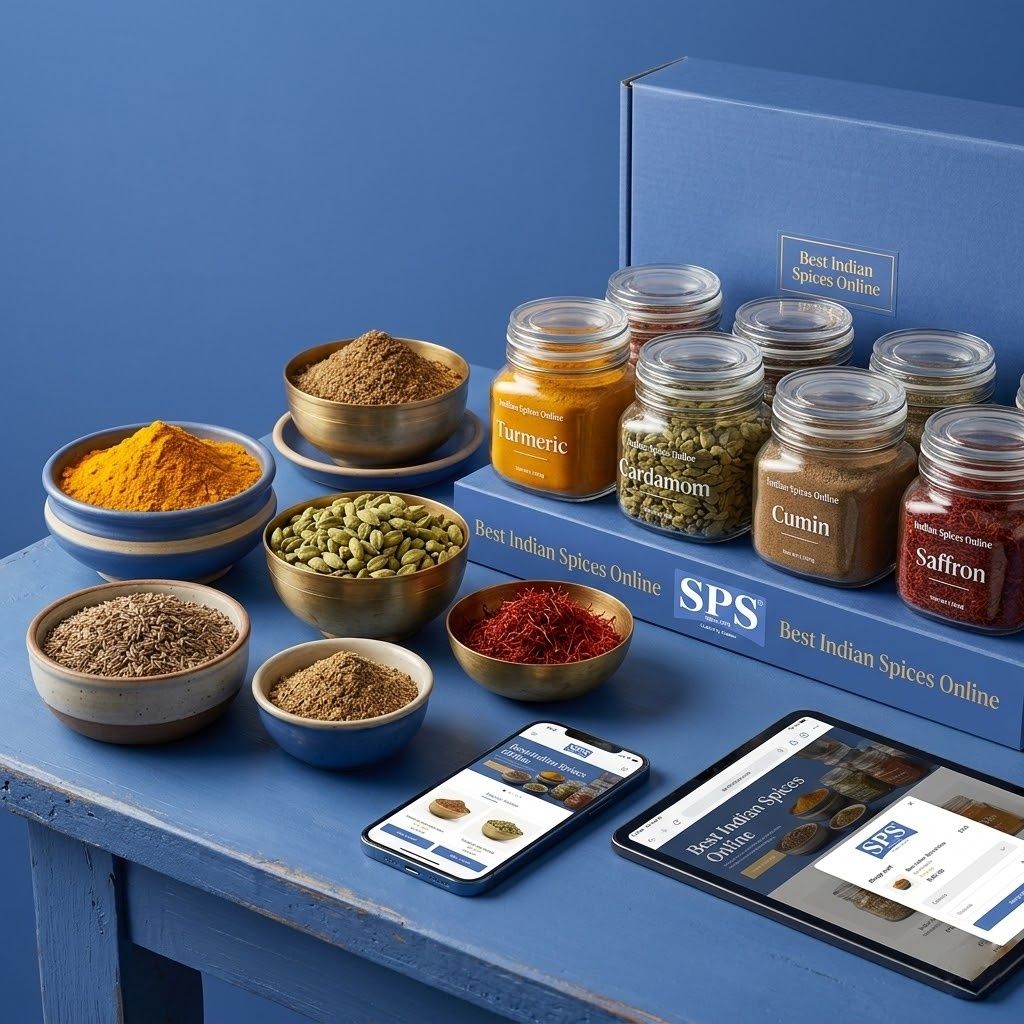
Choosing the right indian grocery store can feel surprisingly personal. It’s not just about proximity or price—it’s about trust. When you’re trying to cook something authentic, whether it’s a comforting dal or a festive biryani, you want ingredients that deliver the right flavor, texture, and aroma. And not every indian grocery lives up to that expectation.
A good starting point is freshness. This might sound obvious, but it’s often overlooked. Spices, for example, lose their potency over time. If you’ve ever used stale cumin or coriander powder, you’ll notice the difference immediately—it’s flatter, less aromatic, and just doesn’t do the dish justice. A reliable indian grocery store rotates its stock regularly, so what you’re buying hasn’t been sitting on the shelf for months.
The next thing to look at is sourcing. Authenticity often comes down to where the products originate. High-quality basmati rice, for instance, should ideally come from regions known for it. The same goes for spices and specialty items. Stores that prioritize sourcing tend to carry products that taste closer to what you’d find in India, rather than watered-down versions made for mass markets.
Then there’s the question of variety—but not just in terms of quantity. It’s about whether the store understands the nuances of Indian cooking. Do they carry different types of atta (flour) for rotis versus parathas? Do they stock regional spice blends, or just generic curry powder? These details matter more than you might think.
One practical tip is to observe who shops there. It’s a bit like judging a restaurant by its crowd. If you see people regularly buying in bulk or carefully selecting ingredients, it usually means the store has earned a level of trust. Authentic cooking often requires consistency, and customers tend to return to places that deliver that.
Cleanliness and organization also play a role, even if they’re not the first things that come to mind. A well-maintained indian grocery store signals attention to detail. Ingredients are stored properly, fresh produce is handled with care, and the overall environment feels inviting rather than chaotic. It’s a subtle cue, but it affects your shopping experience more than you might expect.
Customer service can make a surprising difference too. Sometimes you walk into an indian grocery looking for something very specific—maybe a particular type of lentil or a spice you’ve only heard about. Staff who can guide you, suggest alternatives, or explain how an ingredient is used add real value. It turns a simple shopping trip into something more informative.
SPS Foods Dk is an example of a store that tends to focus on these aspects. Places like this often build their reputation not just on what they sell, but on how they help customers navigate the wide world of Indian ingredients. That kind of support can be especially helpful if you’re new to cooking Indian food or trying out unfamiliar recipes.
Pricing is another factor, but it shouldn’t be the only one. Extremely low prices can sometimes signal lower quality, especially for items like spices or specialty products. On the other hand, a good indian grocery store usually strikes a balance—offering fair pricing without compromising too much on authenticity.
Finally, trust your own experience. After a couple of visits, you’ll start to notice patterns. Maybe the vegetables always look fresh, or the spices have a stronger aroma than what you’ve used before. Those small details add up and help you decide whether a store is worth returning to.
At the end of the day, choosing the right indian grocery store isn’t about finding perfection—it’s about finding a place that consistently meets your expectations. When the ingredients feel right, the cooking becomes easier, and the results speak for themselves.